words Michał Dorofiejczyk / photography Krzysztof Jędrzejak
more about Luca Merli and Onde Nostre and SSFF Milano
~polski
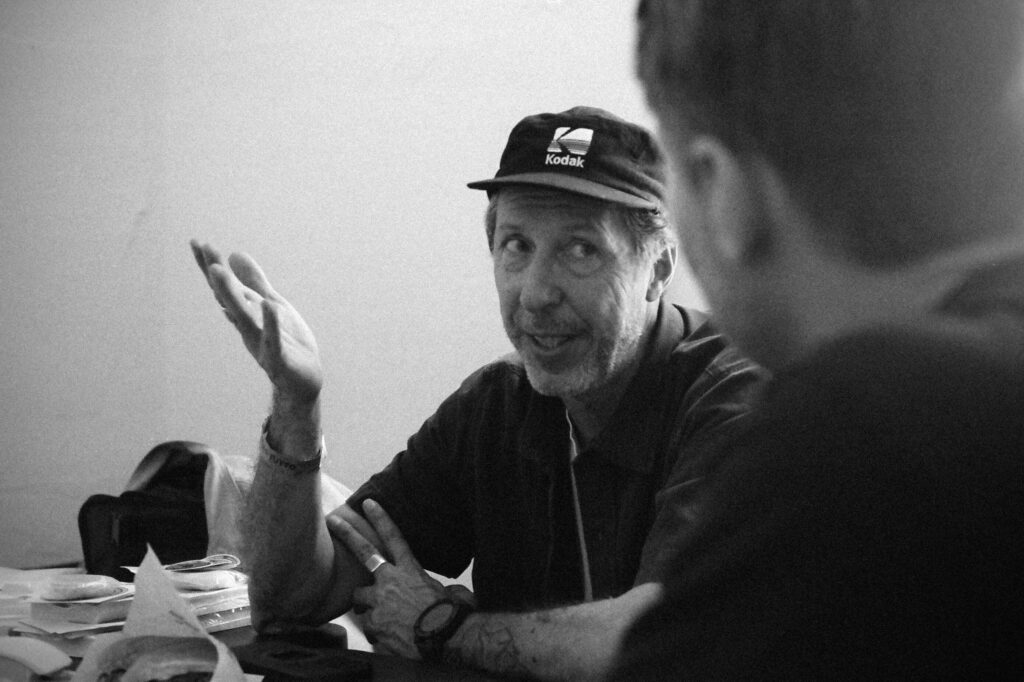
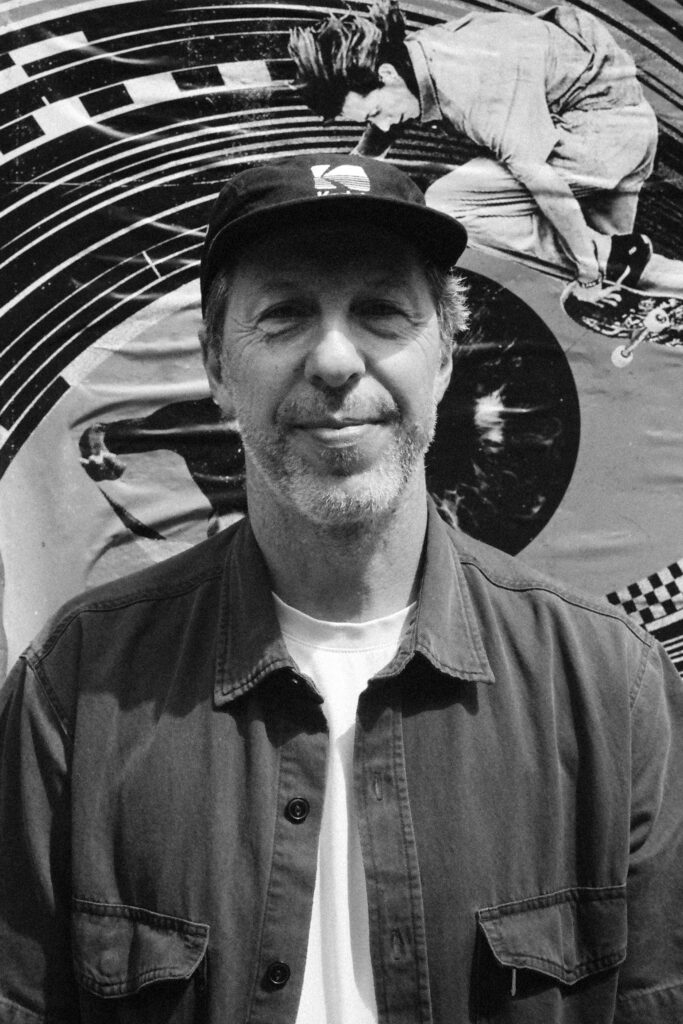
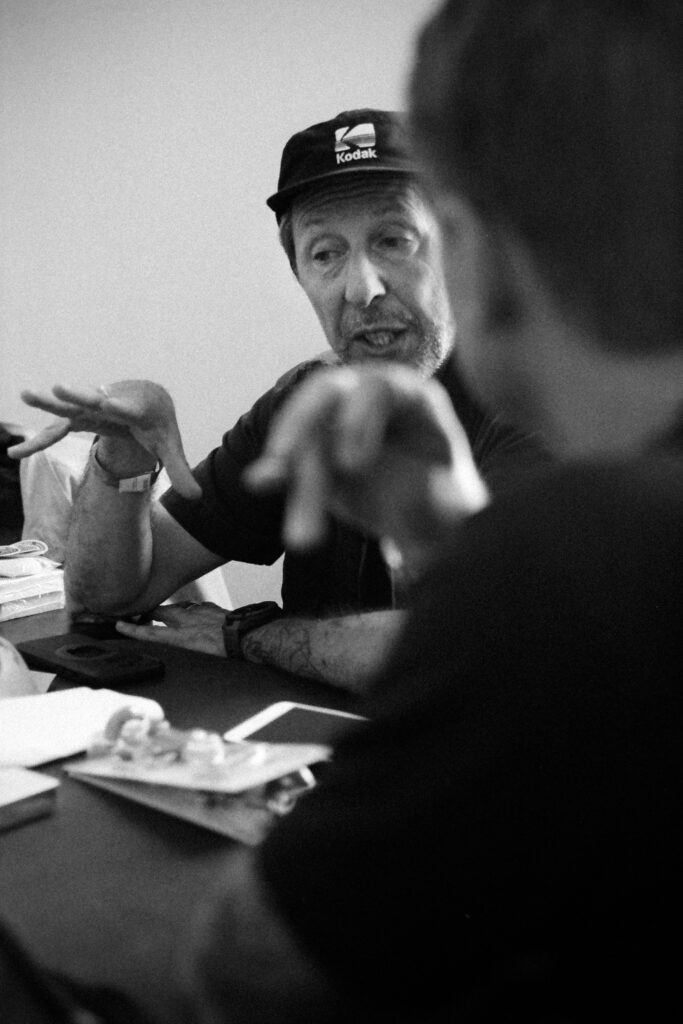
Surfing to nie tylko sport — to sposób myślenia, bycia, patrzenia na świat. Dla mnie jedną z osób, które najlepiej to oddają, jest Luca Merli — twórca kultowego Onde Nostre, Filmowiec, artysta, muzyk i surfer, który od lat dokumentuje piękno fal, rytm natury i autentyczne historie skupione wokoło surfingu. Od momentu gdy odkryłem Onde Nostre wiedziałem, że to jest coś ważnego, coś wielkiego i coś tak mi bliskiego. Luka Merli jest odpowiedzialny za piękne ruchome opowieść o surfingu we Włoszech i Włochach, którzy odnaleźli swoje miejsce w surfingowych mekkach w różnych częściach świata. Narracja i estetyka jaką prowadzi w swoich filmach zawsze mnie inspirowała. Byłem zaszczycony gdy mogłem osobiście poznać i porozmawiać z tym skromnym człowiekiem.
Cześć Luca, czy mógłbyś się przedstawić?
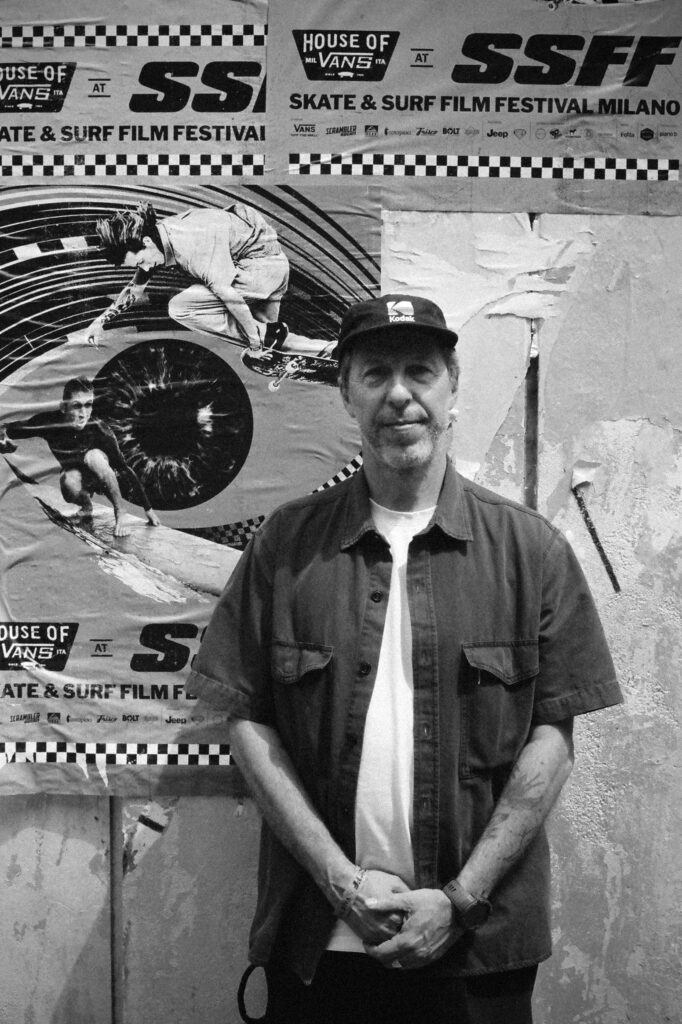
Jestem Luca Merli. Jestem założycielem Skate & Surf Film Festival, House of Vans w Mediolanie oraz reżyserem projektu surfingowego o nazwie Onde Nostre, który jest również tytułem mojego pierwszego filmu o surfingu. Wszystko zaczęło się w 2010 roku jako film surfingowy, który potem rozwinął się w większy projekt. Od tamtej pory wyprodukowałem cztery filmy i wiele krótkich wideo — dokładnej liczby już nie pamiętam, ale było ich sporo. Około dwa lata temu Skate & Surf Film Festival naprawdę zaczął się rozwijać, i od tego czasu większość mojego czasu i energii poświęcam na odkrywanie nowych filmów i kuratorowanie treści.
Więc Onde Nostre to tytuł twojego pierwszego filmu. Czy opowiadał o włoskiej scenie surfingowej i historii surfingu we Włoszech?
Tak, mniej więcej. W 2010 roku zrobiłem film Onde Nostre. Opowiadał o czterech lub pięciu surferach, a głównym tematem było odkrywanie surfingu we Włoszech. Całość została nakręcona na filmie 16mm. Pochodzę z branży filmowej, reklamowej i fotograficznej, więc chciałem pokazać światu — albo przynajmniej spróbować pokazać światu — że we Włoszech są fale i że istnieje prawdziwa społeczność surferów.
Zaprosiłem surferów z Sardynii, Ligurii i Toskanii, żeby dołączyli do mnie na wycieczkę po Sardynii trwającą kilka miesięcy, i to stało się moim pierwszym projektem.
Potem chciałem opowiedzieć trochę o historii — a przynajmniej części historii — włoskiej kultury surfingu. W 2018 roku zrobiłem kolejny film zatytułowany Peninsula. Prace nad nim zajęły mi dwa lata. Podróżowałem po całych Włoszech i wyspach z wieloma surferami, próbując opowiedzieć tę historię. Ten film jest teraz dostępny na Netflixie w Europie. Odniósł niespodziewany sukces i od tego momentu wszystko naprawdę nabrało tempa.
Wtedy zacząłem myśleć, że może mógłbym zorganizować festiwal wokół tego tematu. Byłem zapraszany na wiele festiwali filmowych w całej Europie i pomyślałem, że może mógłbym przynieść trochę morza do Mediolanu. Potem zdałem sobie sprawę, że połączenie jazdy na deskorolce i surfingu mogłoby się świetnie sprawdzić — mam wielu znajomych deskorolkarzy, sam też kiedyś jeździłem na deskorolce, chociaż teraz jestem już na to trochę za stary!
W 2017 roku zaczęliśmy Skate & Surf Film Festival. Na początku pomysł był taki, żeby stworzyć festiwal surfingowy, ale już od pierwszej edycji zdecydowaliśmy się także włączyć skateboarding. Mieliśmy bardzo mały budżet, ale festiwal poszedł naprawdę dobrze. Społeczności skateboardu i surfingu połączyły się, a frekwencja była ogromna — pojawiło się około 15 000 osób. Wstęp był całkowicie darmowy — darmowe wejście, wszystko za darmo. To było niesamowite.
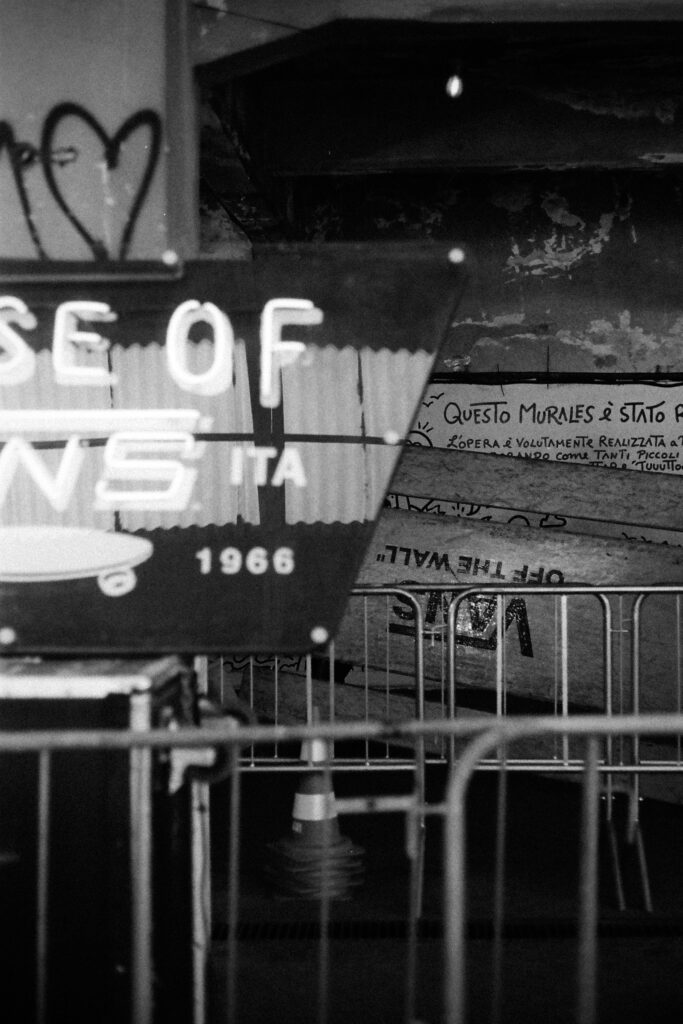
Vans dołączył jako sponsor po raz pierwszy właśnie wtedy, w tym roku. Od tego momentu zaczęliśmy razem budować festiwal. Teraz, w pewnym sensie, staliśmy się czymś na kształt House of Vans dla społeczności deskorolkowej. Połączyliśmy siły na dobre i prowadzimy festiwal wspólnie.
Czy kiedykolwiek myśleliście o tym, żeby zrobić festiwal bardziej surfingowym, bliżej morza? Fale nie są tak daleko.
Wiem, że faktycznie próbowaliśmy około dwa lata temu przenieść festiwal w trasę — stworzyć coś na kształt podróżnej wersji Surf & Skate Film Festival. Po COVID udało nam się zorganizować jedną edycję nad morzem i było niesamowicie.
Ale organizacja festiwalu we Włoszech jest już dość trudna — a zorganizowanie festiwalu i konkursu na fale jest jeszcze trudniejsze, bo fale tutaj są naprawdę nieprzewidywalne i nieregularne. Albo masz ogromne szczęście, albo ustawiasz festiwal przy morzu i… nie ma fal.
To jedna z głównych przyczyn, dla których nigdy nie skupialiśmy się zbyt mocno na surfingu jako sporcie na żywo podczas festiwalu. Po prostu za trudno jest to dobrze zaplanować. Zazwyczaj zaczynamy organizację festiwalu we wrześniu, ustalając daty i miejsce z dużym wyprzedzeniem, aby móc wszystko dobrze zaplanować. A kiedy daty są już ustalone, nie możemy mieć elastycznego okresu oczekiwania na odpowiednie warunki falowe — zapraszamy deskorolkarzy, filmowców, muzyków i wielu gości, więc wszystko musi być dokładnie zaplanowane.
Mimo wszystko, pomysł zabrania festiwalu w trasę to coś, nad czym wciąż zdecydowanie myślimy. Nie jestem pewien, czy uda nam się to zrealizować, ale taki jest plan.
Ile filmów obejrzałeś, żeby przygotować ten program?
Otrzymaliśmy około 120–130 filmów z całego świata — głównie z Francji i USA, ale także z wielu innych krajów. Następnie wybraliśmy około 45 filmów z tej listy. Spośród nich wybraliśmy 10 filmów nominowanych.
Aktualnie finalizujemy wybory z naszą komisją. Spośród 10 nominowanych filmów wybraliśmy około pięciu lub sześciu finalistów.
Mamy już finalistów, a później przyznamy nagrody za Najlepszy Film, Najlepszy Film Skate oraz Wielką Nagrodę Jury. Wielka Nagroda Jury może zostać przyznana zarówno filmowi surfingowemu, jak i skateboardowemu.
Zazwyczaj staramy się nagradzać opowiadanie historii, a nie tylko akcję. Najlepszy Film Surfingowy i Najlepszy Film Skate skupiają się raczej na wykonaniu, fotografii lub kinematografii — bardziej klasyczny film surfingowy lub skateboardowy. Oczywiście historia też ma znaczenie, ale liczy się przede wszystkim wizualna strona i akcja.
Z kolei Główna Nagroda Jury koncentruje się bardziej na ogólnej koncepcji i oryginalności — na filmach wyróżniających się narracją, kreatywnością lub unikalnym podejściem.
Mam wrażenie, że jednym z naprawdę gorących tematów tegorocznego festiwalu jest kobiecy skateboarding — zwłaszcza kobiety jeżdżące na deskorolce w Afryce czy krajach arabskich.
Staramy się dawać głos społecznościom, które zazwyczaj nie mają zbyt dużej widoczności. Chcemy być jak najbardziej otwarci i tworzyć przestrzeń dla mniejszości oraz grup potrzebujących wsparcia.
Później pokażemy też film o kilku Izraelczykach i Palestyńczykach, którzy razem surfują. Tak więc, w pewnym sensie, nasza praca staje się polityczna — choć nie zaczynamy z takim zamiarem. Naszym celem jest po prostu bycie inkluzywnymi i pokazanie, że surfing i skateboarding to nie tylko sporty akcji. To część ruchu kulturowego — takiego, który niesie ze sobą historie, tradycję i tak, czasem politykę. Dla nas bardzo ważne jest, by dawać przestrzeń głosom mniejszości.
Wróćmy do twojej osobistej przygody z surfingiem. Kiedy i jak zacząłeś surfować? W końcu to Włochy — wiemy, że wtedy nie było to zbyt popularne.
Zacząłem surfować w latach 80. Mam teraz 56 lat. Jako dziecko zawsze fascynowałem się surfingiem i skateboardem. Widziałem zdjęcia surferów i od razu mnie to przyciągnęło. Mój ojciec dużo podróżował z nami, gdy byłem młody, i przywoził mi deskorolki — to było jeszcze w latach 70., na samym początku skateboardingu. Więc zacząłem od jazdy na deskorolce.
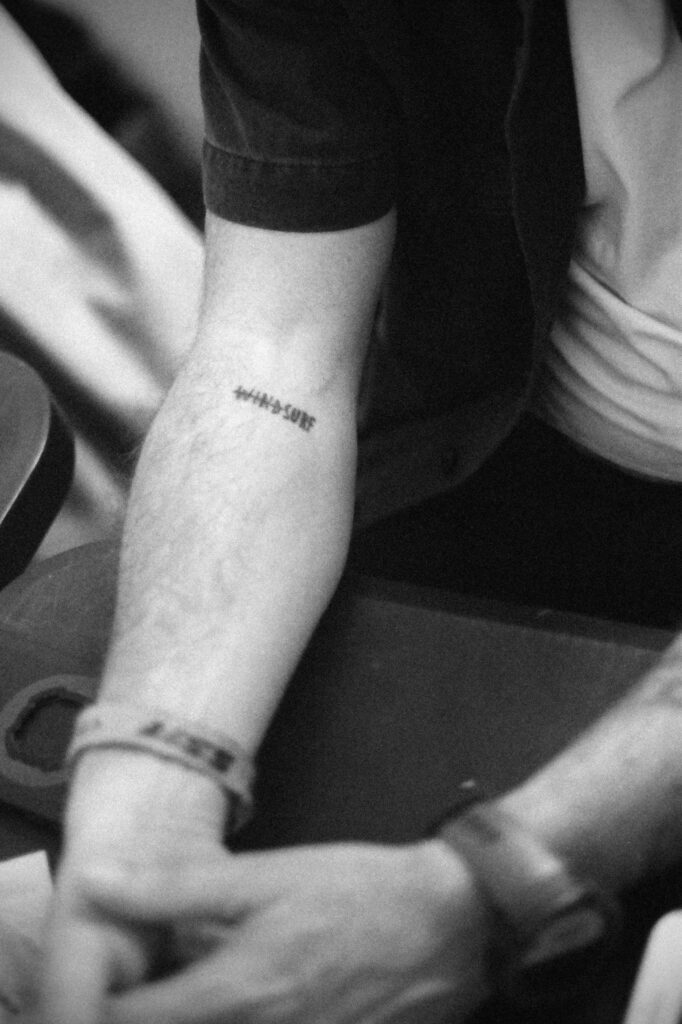
W latach 80. windsurfing był we Włoszech bardzo popularny, więc też się tym zainteresowałem. Byłem w tym całkiem dobry — nawet trochę startowałem w zawodach. To był mój pierwszy kontakt z sportami wodnymi. Zawsze kochałem ocean i bycie na morzu. Od dziecka czułem przyciąganie do wzburzonego morza, fal i wszystkiego, co się z tym wiąże.
W końcu zacząłem windsurfing na falach, ale potem chciałem uprościć sprawy. Wtedy surfing pojawił się w moim życiu. Surfing pozwolił mi podróżować z jedną deską i całkowicie zanurzyć się w wodzie. Było to bardziej bezpośrednie, bardziej naturalne. W latach 90. przesiadłem się więc z windsurfingu na surfing.
Nigdy nie chodziłem do szkoły surfingu — po prostu podróżowałem, obserwowałem i uczyłem się sam. Dość szybko to opanowałem i od tamtej pory nie przestałem. Teraz nie surfuję już tak często jak kiedyś, bo festiwal zajmuje większość mojego czasu. Właściwie Onde Nostre, mój pierwszy projekt, był trochę pretekstem, żeby być blisko oceanu. Mówiłem rodzinie: „To projekt zawodowy”, ale tak naprawdę pozwalał mi na dyskretne wkradanie się na fale, kiedy tylko mogłem.
We Włoszech surfing jest bardzo sezonowy. Latem morze zwykle jest spokojne — ciepłe i płaskie. To czas, kiedy rodziny chodzą na plażę z parasolami i materacami! Prawdziwe fale pojawiają się zimą, gdy swell jest bardziej regularny. Jeśli mieszkasz w głębi kraju, jak ja w Mediolanie, surfing wymaga dużo wysiłku — podróży, niezależności, samochodu. Kiedy byłem młodszy, musiałem poczekać, aż dostanę prawo jazdy, żeby móc naprawdę gonić fale. Dlatego poważnie zacząłem surfować trochę później.
Oczywiście, ludzie wychowani na wybrzeżu mają więcej szczęścia — mogą wskoczyć do wody o każdej porze i zacząć znacznie wcześniej.
A co z surfingową społecznością we Włoszech? Czy to duża scena, czy raczej nie?
Tak, to zdecydowanie duża scena — zwłaszcza wzdłuż wybrzeża. Na przykład w Genui powiedziałbym, że w każdej grupie znajomych jest przynajmniej jedna osoba, która surfuje albo interesuje się surfingiem. Surfing jest też bardzo popularny w Toskanii, szczególnie na wybrzeżu, a także w Rzymie.
Rzym jest dość blisko morza i ma ogromną społeczność surferów. W rzeczywistości, zatłoczenie to poważny problem w Rzymie i Ligurii. Zwłaszcza na początku zimy, gdy woda jest jeszcze stosunkowo ciepła, świeci słońce, a pojawiają się pierwsze zimowe swelle — robi się naprawdę tłoczno. Potem, gdy robi się chłodniej, część osób przestaje surfować i tłum się przerzedza.
Jest taki facet, Roberto z Rzymu, który mieszka niedaleko wybrzeża. Jego misją jest właściwie ciągłe podróżowanie i pogoń za falami. We Włoszech, jeśli chcesz surfować dużo, naprawdę musisz podróżować i być w ciągłym pogotowiu. Trzeba być czujnym.
Kiedy kręciłem Peninsula, za każdym razem, gdy na mapach pogodowych pojawiał się swell, jeden z surferów z projektu — Alessandro Ponzanelli, longboardzista — znał wszystkie spoty w całych Włoszech. Zwiedził cały kraj. Mówił: „Tym razem dobre warunki będą na Sycylii”, albo „Teraz działa strona Sardynii”. Chodzi o analizowanie map i śledzenie swellów. Trzeba to robić, jeśli chce się surfować regularnie. Myślę, że podobnie jest nad Bałtykiem.
Czy na wschodnim wybrzeżu Włoch też trafiają się fale?
Tak, fale pojawiają się czasem także na wschodnim wybrzeżu i potrafią być naprawdę dobre. Osobiście nigdy tam nie surfowałem, ale kilka razy kręciłem tam filmy.
Surfing po wschodniej stronie jest trudniejszy, bo morze jest dużo zimniejsze. Woda jest silnie chłodzona przez wpływy ze wschodu, więc temperatura spada tam bardzo szybko. Zdarza się nawet, że podczas surfowania pada śnieg!
Jakość fal w niektórych spotach może być naprawdę świetna, zwłaszcza na północy. Na przykład wokół Półwyspu Gargano warunki bywają wietrzne, ale dobre. W północnej części wybrzeża też można znaleźć dobre miejscówki.
W Apulii fale potrafią być naprawdę świetne, a Sycylia również oferuje bardzo dobre warunki do surfowania.
Jednak najbardziej regularne fale pojawiają się zwykle dzięki wiatrom wiejącym z zachodu — takim jak mistral i libeccio, które nadciągają odpowiednio z północnego zachodu i południowego zachodu. To są najsilniejsze wiatry i pokonują najdłuższą drogę, więc generują najbardziej niezawodne fale.
Co najlepsze, te wiatry często wieją przez 5 do 7 dni bez przerwy, więc kiedy zaczyna się swell, można liczyć na kilka dni dobrego surfingu. Możesz zaplanować sesje z wyprzedzeniem, wiedząc, że fale utrzymają się, dopóki wiatr nie ustanie.
Filmy Onde Nostre i inne twoje produkcje są teraz dostępne na Netflixie — jak do tego doszło?
To właściwie stało się trochę przypadkiem. Na początku dystrybucją moich filmów zajmował się francuski dystrybutor. Po trzech czy czterech latach powiedzieli mi, że chcą wprowadzić te filmy również na Netflix. Tak po prostu się to wydarzyło — ja sam nigdy bezpośrednio nie kontaktowałem się z Netfliksem. Wszystko odbywało się przez dystrybutora i to oni to zorganizowali.
Świetnie było zobaczyć Onde Nostre dostępne na Netflixie, na przykład w Polsce i innych krajach. To było naprawdę ekscytujące.
Który z filmów jest twoim ulubionym?
Mój ulubiony to Peninsula. Oczywiście lubię wszystkie, także Ritratti di Surf, który jest gdzieś pośrodku, i Nausicaa z 2018 roku — do którego sam stworzyłem muzykę z moim zespołem. To był bardzo domowy projekt, od początku do końca.
Ale Peninsula ma dla mnie szczególne znaczenie emocjonalne. Jasne, gdybym miał go robić dzisiaj, pewnie zrobiłbym kilka rzeczy inaczej, ale wciąż bardzo lubię te historie i sposób, w jaki ten film powstał.
Więc tak, Peninsula to mój ulubiony. Oczywiście lubię wszystkie — lubię też Ritratti di Surf, ten pośrodku, i Nausicaa z 2018 roku, gdzie sam nagrywałem muzykę razem z zespołem. To był taki domowy projekt, od początku do końca. Ale Peninsula jest dla mnie szczególny — jestem z nim emocjonalnie związany. Jasne, dziś zrobiłbym go trochę inaczej, ale wciąż mi się podoba, i opowieści, i forma.
~english
Surfing is not just a sport — it’s a way of thinking, being, and seeing the world. For me, one of the people who captures this best is Luca Merli — the creator of the cult collective Onde Nostre, a filmmaker, artist, musician, and surfer who has spent years documenting the beauty of waves, the rhythm of nature, and the authentic stories that revolve around surfing. From the moment I discovered Onde Nostre, I knew it was something important, something powerful, and something that felt deeply personal to me. Luca Merli is behind the beautifully moving stories about surfing in Italy and about Italians who have found their place in surf meccas around the world. The narrative and aesthetic he brings to his films have always inspired me. I was truly honored to meet and speak with this humble man in person.
Hi Luca, could you introduce yourself?
I’m Luca Merli. I’m the founder of the Skate & Surf Film Festival, House of Vans in Milan, and the director of a surf project called Onde Nostre, which is also the name of my first surf movie. It all started as a surf film in 2010 and then evolved into a larger project. Since then, I’ve produced four films and many short videos—I can’t remember the exact number, but quite a lot. About two years ago, the Skate & Surf Film Festival really took off, and since then, most of my time and energy has gone into discovering new films and curating content.
So Onde Nostre is the title of your first movie. Was it about the Italian surf scene and the history of Italian surfing?
Yeah, kind of. In 2010, I made the movie Onde Nostre. It followed four or five surfers, and the focus was more on the discovery of surfing in Italy. It was all shot on 16mm film. I come from a background in filmmaking, advertising, and photography, so I wanted to show the world—or at least try to show the world—that there are waves in Italy and that a real surf community exists here.
I invited surfers from Sardinia, Liguria, and Tuscany to join me on a trip around Sardinia for a couple of months, and that became my first project.
After that, I wanted to tell a bit of the history—or at least part of the history—of Italian surf culture. So in 2018, I made another movie called Peninsula. It took me two years to complete. I traveled all over Italy and the islands with many surfers, trying to tell the story. That film is actually now available on Netflix in Europe. It had unexpected success, and from there, things really took off.
That’s when I started thinking, maybe I could organize a festival around this. I had been invited to many film festivals around Europe, and I thought, maybe I could bring a bit of the sea to Milan. Then I realized that combining skating and surfing could work well—I have a lot of skater friends, and I used to skate myself, though I’m a bit old for it now!
In 2017 we started the Skate & Surf Film Festival. Initially, the idea was to create a surf festival, but from the first edition, we decided to include skateboarding as well. We had a very small budget, but the festival went really well. The skate and surf communities came together, and we had a massive turnout—around 15,000 people showed up. It was totally free—free entry, free everything. It was amazing.
Vans came on board as a sponsor for the first time that year. From then on, we started building the festival together. Now, in a way, we’ve become like a House of Vans for the skate community. We’ve fully joined forces, and we run the festival together.
Have you ever thought about making the festival more surf-oriented, closer to the sea? The waves aren’t too far.
I know we actually tried about two years ago to take the festival on the road—to create a kind of traveling version of the Surf & Skate Film Festival. After COVID, we managed to do one edition by the sea, and it was amazing.
But organizing a festival in Italy is already quite hard—and organizing a festival and a wave contest is even harder, because the waves here are really unpredictable and not very consistent. Either you get really lucky, or you set the festival by the sea and… there are no waves.
That’s one of the main reasons why we’ve never focused too much on surfing as a live action sport during the festival. It’s just too hard to plan around it. We usually start organizing the festival in September, deciding on the dates and location early so we can begin planning everything well in advance. And once the dates are locked in, we can’t really have a flexible waiting period for surf conditions—we’re hosting skaters, filmmakers, musicians, and so many guests that everything needs to be scheduled precisely.
Still, the idea of taking the festival on tour is something we’re definitely still thinking about. I’m not sure if we’ll manage to make it happen, but that’s the plan.
How many films did you watch to prepare this program?
Actually, we received around 120 or 130 films from all over the world—mainly from France and the US, but also from many other countries. We selected about 45 films from that list. Out of those, we chose 10 nominated films.
We’re actually just now finalizing the choices with our panel. From the 10 nominated films, we’ve selected around five or six finalists.
So now we have our finalists, and later on we’ll be awarding the Best Film, Best Skate Film, and the Grand Jury Prize. The Grand Jury Prize can go to either a surf or skate film.
Usually, we try to reward storytelling, not just action. The Best Surf Film and Best Skate Film tend to focus more on performance, photography, or cinematography—more of a classic surf or skate movie. Of course, the story still matters, but it’s more about the visuals and action.
On the other hand, the Grand Jury Prize is more focused on the overall concept and originality—films that stand out for their narrative, creativity, or unique approach.
I get the feeling that one of the really hot topics at this year’s festival is women’s skateboarding—especially women skating in Africa or in Arab countries. Do you feel the same way?
We try to give a voice to communities that usually don’t get much visibility. We aim to be as open as possible and make space for minorities and groups that need support.
Later on, we’ll also be showing a film about some Israeli and Palestinian guys surfing together. So yes, in a way, our work becomes political—though we don’t start with that intention. Our goal is simply to be inclusive and to show that surfing and skating are not just action sports. They’re part of a cultural movement—one that carries stories, history, and yes, sometimes politics.For us, giving space to minority voices is really important.
Let’s go back to your personal surfing journey. When and how did you start surfing? I mean, this is Italy—we know it wasn’t that popular back then.
I started surfing in the 1980s—I’m 56 now. As a kid, I was always fascinated by surfing and skateboarding. I used to see images of surfing and was instantly drawn to it. My father traveled a lot with us when I was young, and he’d bring me skateboards—this was back in the 1970s, right at the beginning of skateboarding. So I started skating first.
In the 1980s, windsurfing was super popular in Italy, so I picked that up as well. I got quite good at it—I even competed a bit. That was my first connection to water sports. I’ve always loved the ocean and being in the sea. Ever since I was a kid, I’ve felt drawn to rough seas, waves, and everything that comes with it.
Eventually, I started wave windsurfing, but then I wanted to simplify things. That’s when surfing came into the picture. Surfing allowed me to travel with just a board and be completely immersed in the water. It felt more direct, more natural. So in the 1990s, I made the switch from windsurfing to surfing.
I never went to a surf school—I just traveled, observed, and learned. I picked it up pretty quickly, and since then, I’ve never stopped. These days, I don’t surf as much as I used to because the festival takes up most of my time. Actually, Onde Nostre, my first project, was kind of an excuse to be by the ocean. I’d say to my family, “It’s a work project,” but really it allowed me to sneak in some surfing when I could.
In Italy, surfing is very seasonal. In the summer, the sea is usually flat—calm and warm. That’s when families go to the beach with umbrellas and beach mattresses! But real waves come in the winter, when the swells are more consistent. So if you live inland, like me in Milan, surfing requires a lot of effort—travel, independence, a car. When I was younger, I had to wait until I got my driver’s license to be able to chase waves properly. So I didn’t start seriously surfing until a bit later.
Of course, people who grow up by the coast are luckier—they can get in the water anytime, and start much earlier.
And what about the surfing community in Italy? Is it a big scene or not?
Yes, it’s definitely a big scene now—especially along the coastline. For example, in Genoa, I’d say in every friend group there’s at least one surfer or someone who surfs. It’s also very popular in Tuscany, particularly along the coast, and in Rome as well.
Rome is quite close to the sea, and there’s a massive community of surfers there. In fact, crowding is a real issue in Rome and Liguria. Especially at the beginning of winter, when the water is still relatively warm and the sun is shining, but the first winter swells arrive—it gets really crowded. Then, as it gets colder, some people stop surfing, and the crowd thins out.
There’s a guy named Roberto from Rome, who doesn’t live too far from the coast. His mission is basically to travel and chase waves all the time. In Italy, if you want to surf a lot, you really need to travel and be on the hunt. You have to stay alert.
When I made Peninsula, every time we saw a swell coming on the weather maps, one of the surfers in the project—Alessandro Ponzanelli, a longboarder—would know all the spots across Italy. He’s traveled all over the country. He’d tell you, “This time is good for Sicily,” or “Now Sardinia’s side is working.” It’s about studying the maps and tracking the swells.
You have to do that if you want to surf consistently.
I think it’s similar in the Baltic Sea, too.
Do you get waves on the East Coast of Italy as well?
Yes, we do get waves on the East Coast sometimes, and they can be really good. I personally have never surfed there, but I’ve filmed in the area a few times.
It’s actually more difficult to surf on the East Coast because the sea is much colder. The water gets a strong influence from the east, so it cools down much faster. Sometimes it even snows when there are waves!
The quality of the waves can be really good at certain spots, especially up north. For example, around the Gargano Peninsula, the conditions can be windy but good. There are also good spots scattered all over the north.
In Apulia, the waves can be really great, and Sicily also offers some excellent surf.
However, the most consistent waves usually come from winds blowing from the west—like the Mistral and Libeccio winds, which come from the northwest and southwest. These winds are the strongest and travel the longest distances, so they generate the most reliable swells.
What’s great about these winds is that they often blow for 5 to 7 days straight, so once the swell starts, you can count on a good stretch of surfable waves. You can plan your sessions knowing the waves will be there until the wind stops.
Onde Nostre and your other movies are now on Netflix—how did that happen?
It actually happened by chance. I initially started distributing the movies through a French distributor. After three or four years, they told me they wanted to distribute the films on Netflix as well. So it just happened—I never directly contacted Netflix myself. I only dealt with the distributor, and they made it happen.
It was great to see Onde Nostre available on Netflix, for example, in Poland and other countries. That was really exciting.
Which one is your favorite?
My favorite is Peninsula. Of course, I like all of them, including Ritratti di Surf, which is somewhere in the middle, and Nausicaa one from 2018 — where I actually did the music with my band. That was a very homemade project, from start to finish.
But Peninsula is special to me on an emotional level. Of course, if I were to make it now, I might do some things differently, but I still really like the stories and the way it was made.
So my favorite, my my favorite is Peninsula. So if you even on the onset, of course, I like them all. I like also the tractor reserve, which is the in the middle. I like also now Zika the one, not the one in 2019 and in 18, where I actually did the music as well. So with my bands, we played and recorded the music. So it’s kind of a homemade project, you know, from beginning to end. But for me, Peninsula, I’m kind of attached emotionally when I, of course, now I probably I would do it different, but I still like it, you know, I still like the stories, like the way it’s done.