Interview Michał Dorofiejczyk
Photos Paulina Ostrowska
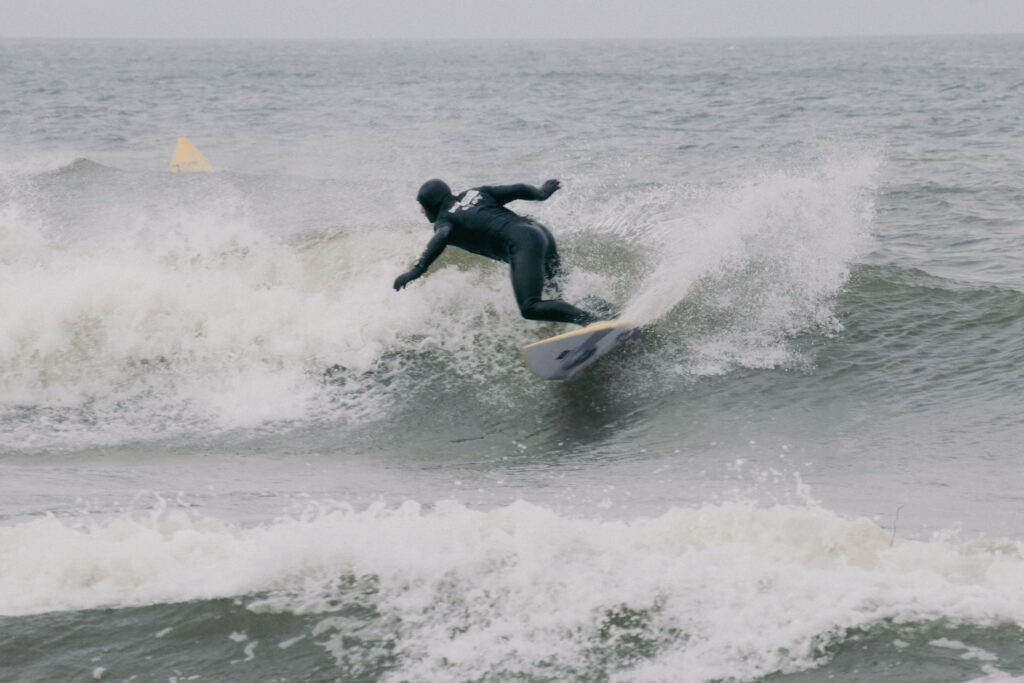
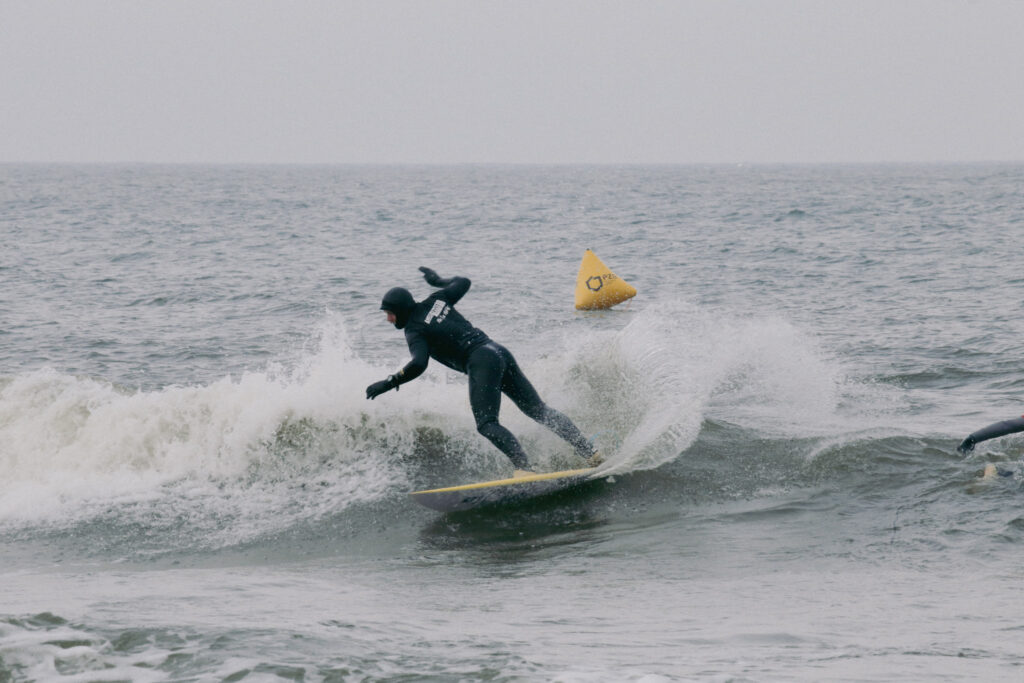
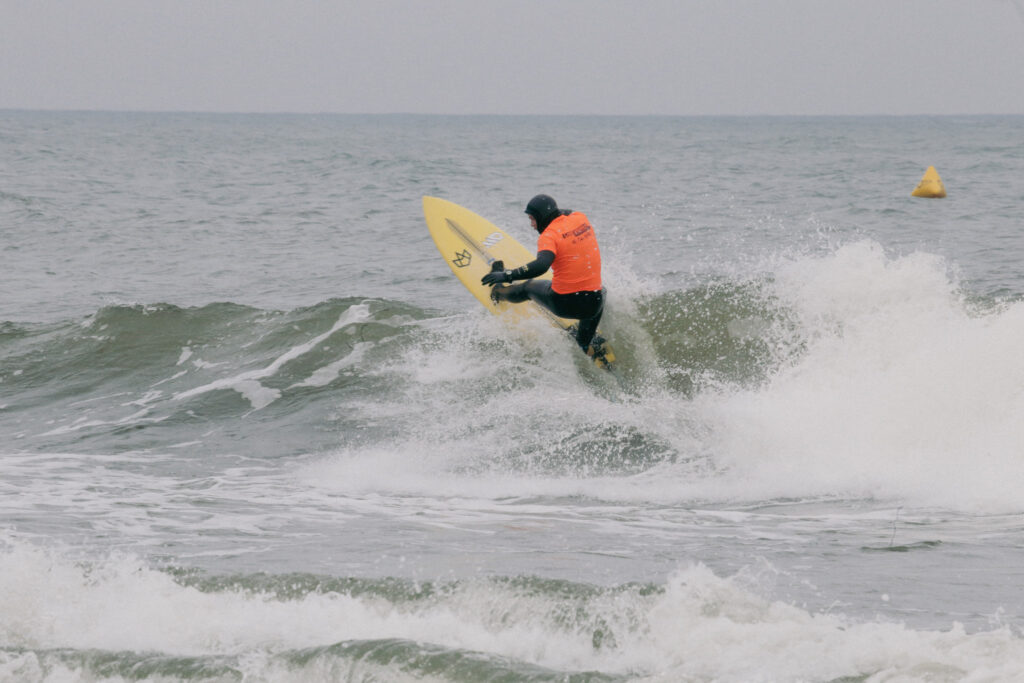
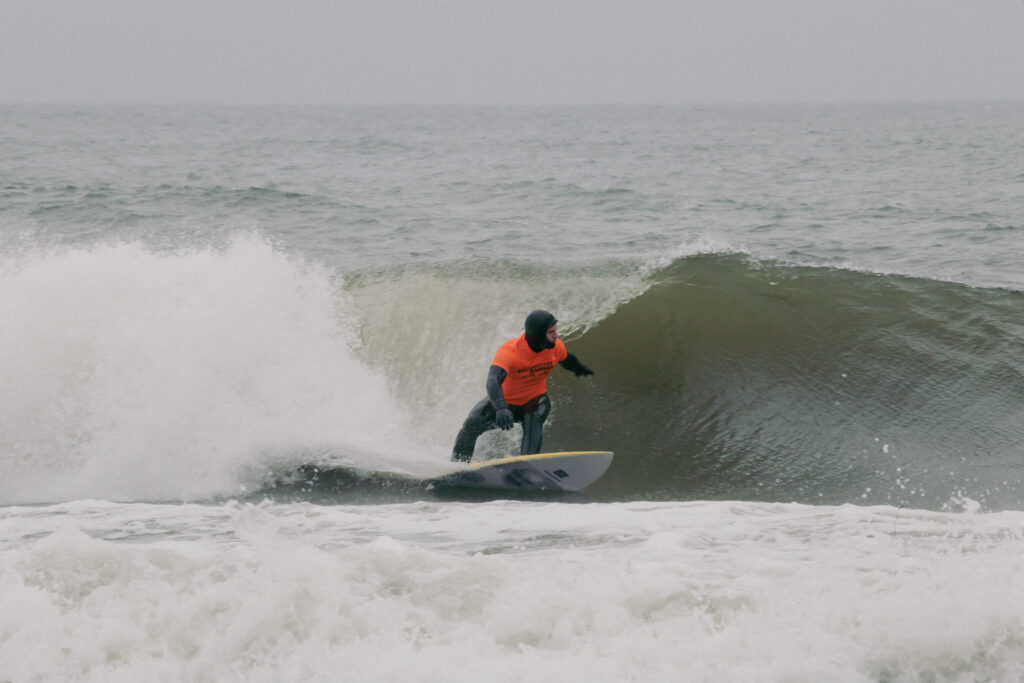
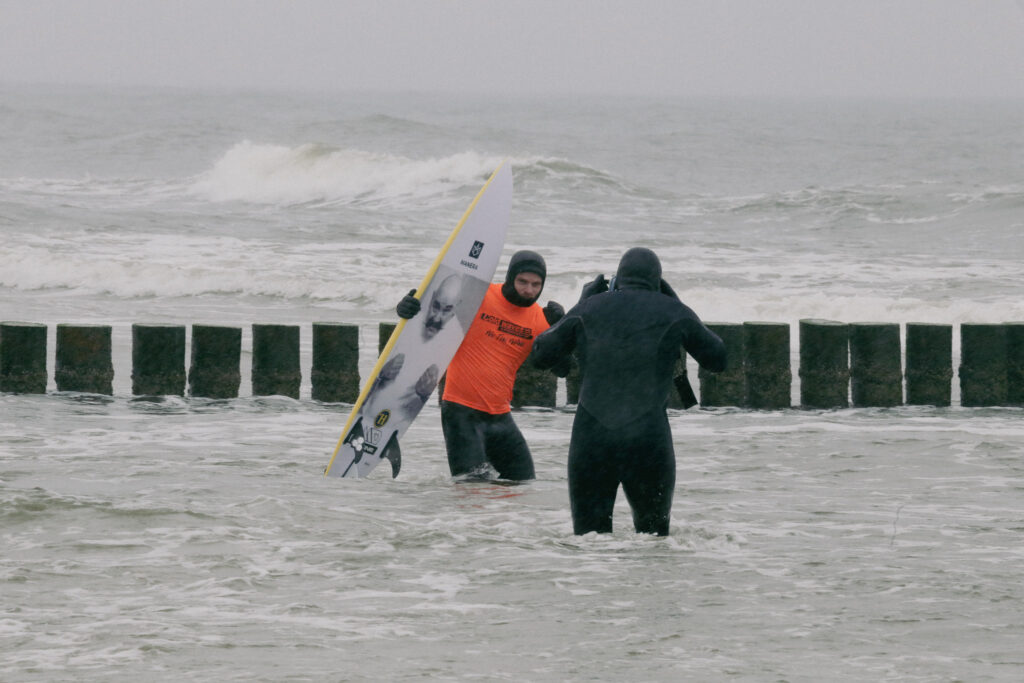
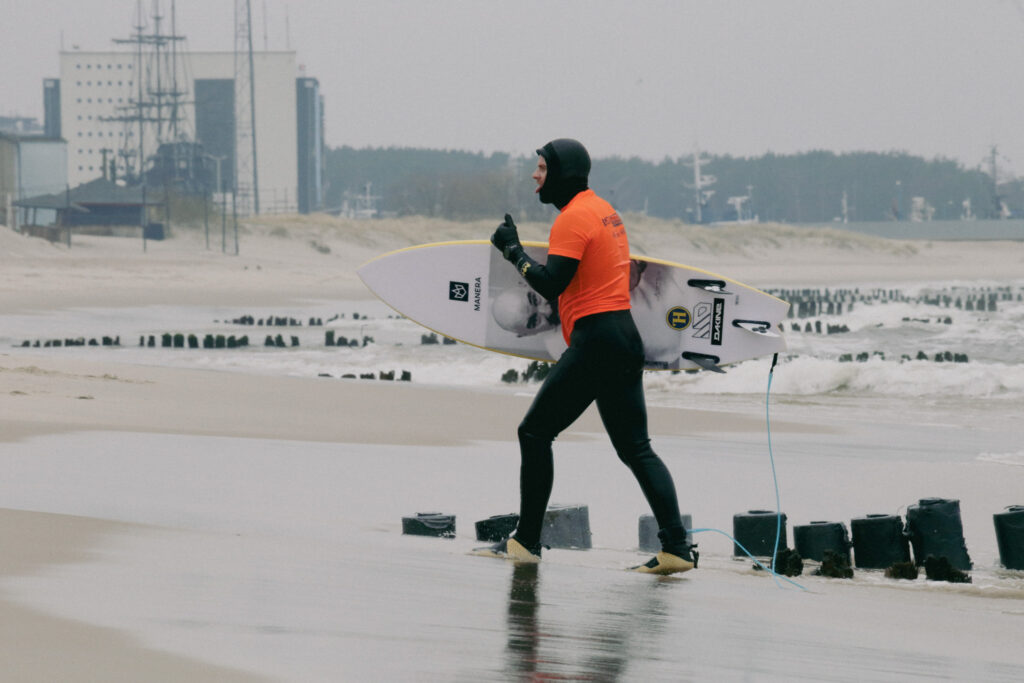
Zamieniłem kilka słów z przesympatycznym Francuskim wariatem, Ianem Fontaine o surfingu na Bałtyku i o zawodach Cold Waves by Porsche, w których miał okazję uczestniczyć. Ian także jest trenerem na obozach organizowanych przez Don Coaching w pięknej i surowej Bretani. Zapraszam.
Cześć Ian, cieszę się, że Cię złapałem na ten wywiad. Przedstaw się proszę — kim jesteś, skąd pochodzisz i jak zaczęła się Twoja przygoda z surfingiem.
Cześć Michał, jestem Ian Fontaine, mam 31 lat. Pochodzę z Bretanii, na północnym zachodzie Francji. Jestem zawodowym surferem. Zacząłem surfować w wieku siedmiu lat w La Torche. Jestem najmłodszym z trzech braci, a cała moja rodzina uprawia surfing, więc dla mnie naturalne było wskoczyć na deskę, gdy zobaczyłem ich w wodzie. Surfuję od tamtego czasu — nigdy nie przestałem i nadal to kocham.
Czy często bierzesz udział w zawodach? Jak trafiłeś do zawodów Porsche Cold Waves?
Tak, często startuję w zawodach. Pływam w serii QS. Startuję od dziecka, ale teraz bardziej skupiam się na zabawie. Łączę zawody z podróżami i staram się tworzyć z tego ciekawe materiały. Do Porsche Cold Waves dostałem zaproszenie i startowałem w tych zawodach w Polsce dwa razy. Wygrałem pierwszą edycję, a w drugiej byłem trzeci lub czwarty. W tym roku niestety nie mogłem przyjechać, mimo że dostałem zaproszenie.
Super. Gratulacje, Ian. Czy jesteś zaznajomiony z zimowymi warunkami w Polsce? Bretania też nie jest zbyt ciepła zimą, prawda? Co sądzisz o falach na Bałtyku?
Dzięki! Tak i nie — jestem przyzwyczajony do zimna. Przez około osiem miesięcy w roku surfuję w butach i kapturze. Ale Polska jest zdecydowanie zimniejsza niż jakiekolwiek inne miejsce, w którym surfowałem. Poza tym woda nie jest słona, co sprawia, że warunki są zupełnie inne i trudniejsze.
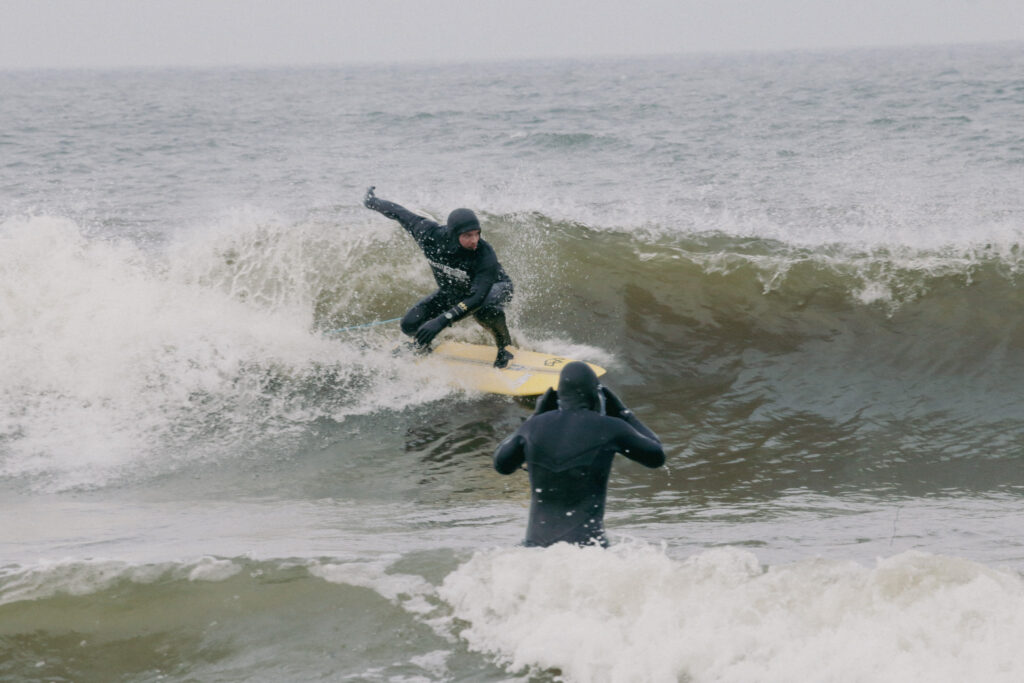
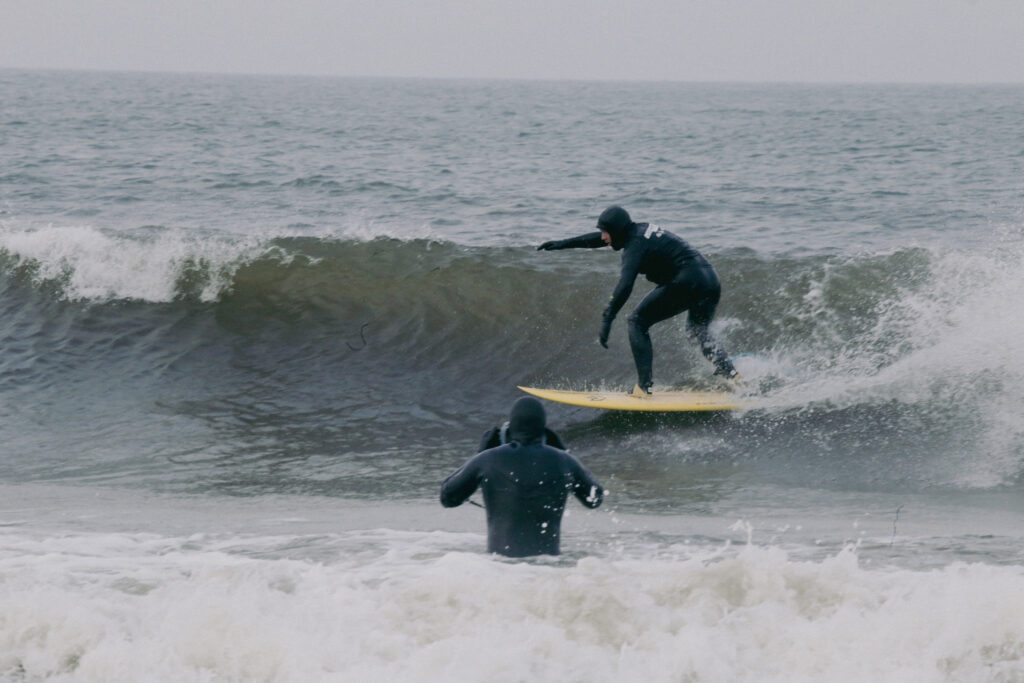
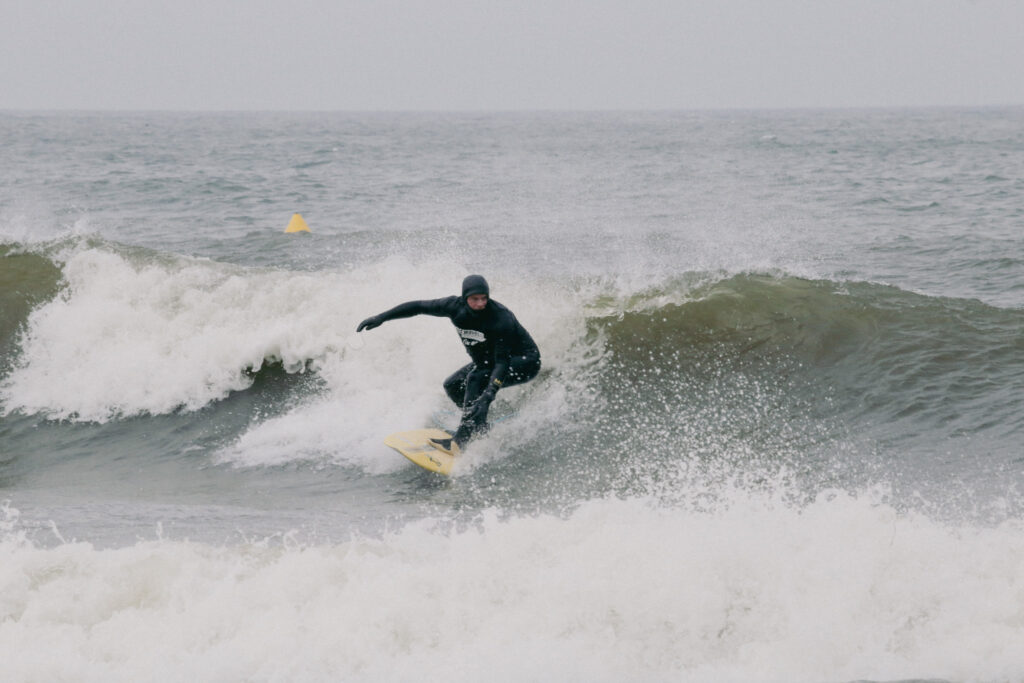
Jeśli chodzi o fale na Bałtyku — to głównie fale wiatrowe, ale mogą być fajne. Czasem fale robią się bardziej strome i „klapowe”, w zależności od ukształtowania dna. Co czyni to miejsce wyjątkowym, to liczba fal — w ciągu 30 minut można złapać 30 fal. Nie są to długie fale — są krótkie i zabawne. To zupełnie inny rodzaj surfingu, ale oba razy, kiedy tam byłem, bardzo mi się podobało.
Jakiego sprzętu używałeś? Jaką piankę i buty miałeś na sobie?
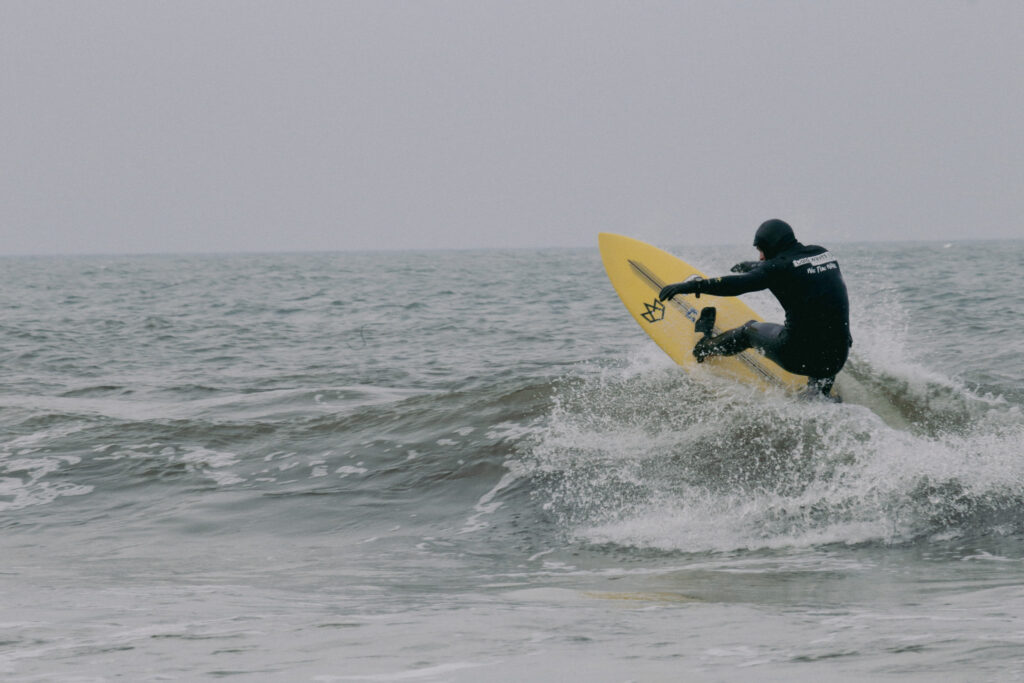
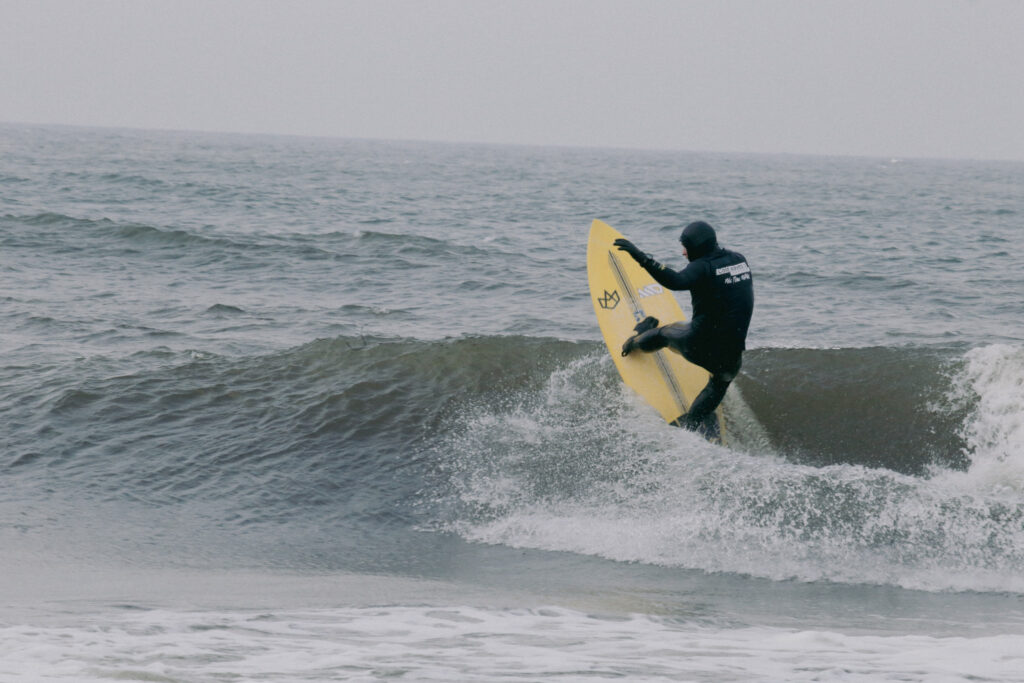
Jeśli chodzi o deskę, to używałem szerszej i krótszej, żeby zwiększyć wyporność, z ogonem typu swallow tail, żeby nadal móc skręcać. Deska miała długość 5’9”.
Jeśli chodzi o piankę, to miałem na sobie Manera Magma 6/4 mm i było mi super ciepło. Butki również Manera Magma.
Czy podoba Ci się pomysł zawodów w zimnej wodzie? Co sądzisz o organizacji, poziomie surfingu i ogólnej atmosferze?
Tak, bardzo podoba mi się pomysł zawodów w zimnej wodzie — pod warunkiem, że warunki są takie jak w Polsce, gdzie na plaży jest ciepłe miejsce (np. gorąca bania), żeby odpocząć i się zregenerować, i nie jest zbyt ekstremalnie. Wtedy jest idealnie.
Poziom surfingu jest naprawdę wysoki — są świetni surferzy z całej Europy, a spędzanie czasu razem na plaży przez cały dzień to czysta przyjemność. Atmosfera jest super, a organizacja naprawdę na wysokim poziomie. Infrastruktura jest świetna — wszystko dobrze przemyślane z myślą o surferach.
Czy zauważyłeś jakieś różnice między pierwszą edycją, którą wygrałeś, a drugą? Ciekawi mnie, czy zanotowałeś rozwój lub zmiany na przestrzeni lat.
Brakowało mi systemu priorytetów — to byłoby świetne rozwiązanie podczas heatów.
Jeśli chodzi o różnice między pierwszą a drugą edycją: tak, było więcej ludzi, ale osobiście bardziej podobała mi się pierwsza edycja.
Dzięki i do zobaczenia.
Dzięki.
Więcej o Ianie:
Instagram/ Ian Fontaine
YouTube/ Ian Fontaine
I had a quick chat with the incredibly friendly French madman, Ian Fontaine, about surfing in the Baltic Sea and the Cold Waves by Porsche competition, which he had the chance to take part in. Ian is also a coach at camps organized by Don Coaching in the beautiful and rugged region of Brittany. Enjoy.
Hi Ian, I’m happy to have you here. Please introduce yourself — who you are, where you’re from, and how you got into surfing.
Hi Michał, I’m Ian Fontaine, 31 years old. I’m from Brittany, in the northwest of France. I’m a professional surfer. I started surfing at the age of seven at La Torche. I’m the youngest of three brothers, and we all surf in my family. So it was natural for me to jump on a board after seeing them in the water. I’ve been surfing ever since — I never stopped, and I still love it.
Do you compete a lot in general? How did you get into the Porsche Cold Waves competition?
Yes, I compete a lot. I’m on the QS tour. I’ve been competing since I was a kid, but now my focus is mostly on having fun. So I mix contests with trips and try to create good content from it. I got into the Porsche Cold Waves by invitation, and I’ve competed in the event in Poland just twice. I won the first one and came third or fourth in the second. This year, unfortunately, I was unable to attend despite being invited.
Perfect. Congrats, Ian. Are you familiar with winter conditions in Poland? Brittany isn’t very warm in winter, right? What do you think about the waves in the Baltic Sea?
Thanks! Yes and no — I’m used to cold weather. I surf with boots and a hood for about eight months of the year. But Poland is definitely colder than anywhere else I’ve surfed. Also, the water isn’t salty, which makes it really different and difficult.
As for the waves in the Baltic Sea — they’re mostly wind swells, but they can be fun. Sometimes the waves get wedgy, depending on the sandbanks. What makes it really fun is that there are a lot of waves coming in at once. You can surf for 30 minutes and catch 30 waves. They’re not long waves — they’re short and playful. It’s definitely a different kind of surfing, but both times I’ve been there, I really enjoyed it.
What surfing setup did you use there? What kind of wetsuit and booties?
So, for the setup, I used a wider, shorter board to maximize floatation, with a swallow tail so I could still make turns. The board size was 5’9”.
As for the wetsuit, I wore a 6/4 mm Manera Magma and I feel warm enough. Booties Manera Magma as well.
Did you like the idea of a cold-water competition? What’s your opinion about the organization, the level of surfing, and the overall vibe?
Yes, I really like the idea of a cold-water competition — as long as the setup is like in Poland, where you have a warm (hot-tube on the beach) place to rest and recover, and it’s not too harsh. Then it’s perfect.
The surfing level is really good — there are great surfers from all over Europe, and it’s fun to hang out with everyone on the beach all day. The vibe is great, and the organization is really solid. The infrastructure is awesome — everything is well thought out for the surfers.
Did you notice any differences between the first event that you won and the second one? I’m curious if you saw any development or improvements over the years.
What I missed was having a priority system — that would have been great to have during the heats.
As for differences between the first and second events: yes, there were more people, but personally, I preferred the first edition.
Thank you Ian see you soon.
Thank you.
More about Ian:
Instagram/ Ian Fontaine
YouTube/ Ian Fontaine